


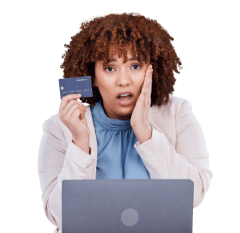
Suspicious E-mail (Phishing)
Suspicious E-mail (Phishing)
Have you received an email from an unknown sender requesting your personal information or security codes? Be careful, this may be a phishing attempt.
Scammers use email to steal personal information, such as username, password, bank details, or credit card information for fraudulent purposes.
A bank will never ask for your login codes or PIN via e-mail, text, or phone, nor will it ask you to use a link to a website to enter these codes. Such messages are therefore always fraudulent.
On the website of the FPS Economy, you can find an overview of the different types of scams, with advice on how to distinguish genuine offers from fraudulent ones, as well as the best ways to respond.
Have you fallen victim to a scam and lost money or shared your bank details with scammers?
- If you have shared your credit or bank card details, notify Card Stop immediately at 078 170 170 (+32 78 170 170 from abroad) to block your cards.
- Contact your bank immediately so that the payment(s) and possibly the bank account can be blocked.
- If funds have actually been stolen from your account, report the incident to the local police.
- Forward the suspicious message (e-mail or SMS) to suspect@safeonweb.be to block the URL of the suspicious website to spare other victims.
- If you paid by credit card, fill in a dispute form on macarte.be to report an unauthorised payment transaction via your credit card.
- Report the incident to us.
If money has been taken from your account without your consent, you may request a refund from your bank in cases of phishing. This refund is subject to certain (conditions.
Do you want to ask a question or take action?
Ask us a question
Send an e-mail
You didn’t find what you were looking for?
Related topics


ConsumerConnect is an initiative of the FPS Economy. We guide you through your consumer rights and obligations in clear and accessible language. Here, you can learn what actions you can take.

